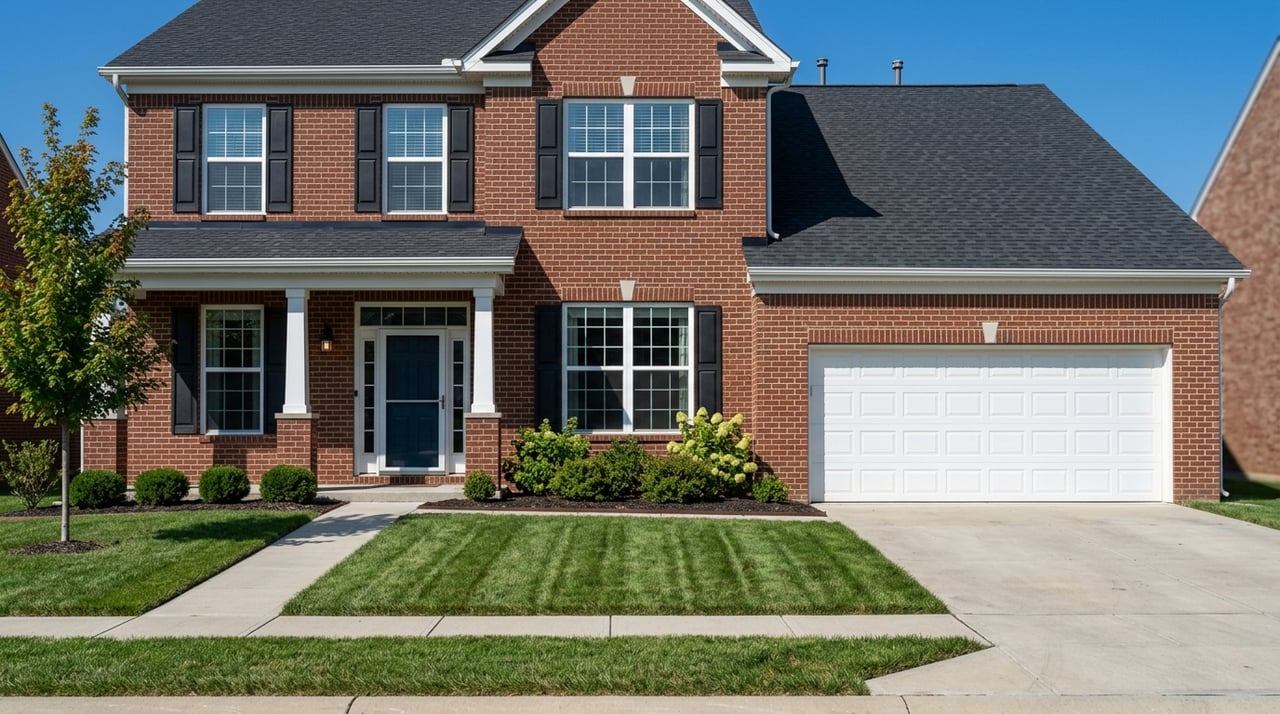
Sell and Buy in Gainesville Without the Timing Stress
May 7, 2026
May 7, 2026
Trying to sell your current home while buying your next one in Gainesville can feel like a high-wire act. You want to protect your money, avoid two moves, and still stay competitive in a market where timing matters. The good news is that with the right plan, you can make both transactions work together with less stress and fewer surprises. Let’s break down the smartest ways to do it.
Gainesville and the wider Prince William County market have stayed relatively tight, which means both buyers and sellers need a clear strategy. Zillow reported Gainesville’s average home value at $764,205 as of March 31, 2026, and said homes were going to pending in about 5 days. In Prince William County, Bright MLS reported 1.21 months of supply in February 2026, which points to limited inventory.
Those numbers do not all measure the same thing, but they tell a similar story. Some homes are moving quickly, and low supply can make replacement-home shopping more competitive. If you are trying to buy and sell at the same time, your plan needs to account for speed on both sides.
Before your home hits the market, decide how you want to sequence the move. Most homeowners in Gainesville will fall into one of three paths: sell first, buy first, or line up both closings close together. Each option has tradeoffs.
Selling first is usually the lower-risk route if you do not want to carry two mortgage payments at once. It lets you know exactly how much equity you have and reduces the chance of feeling pressured into a purchase. This option often works well if your current home is likely to sell quickly and you have a backup plan for short-term housing.
The main drawback is convenience. You may need temporary housing, storage, or a short gap between homes. Still, for many move-up sellers, certainty is worth the extra logistics.
Buying first can make sense if you have enough savings or equity to bridge the gap. In some cases, homeowners use a HELOC or a short-term bridge loan to help fund the purchase before the current home sells. This approach can reduce the pressure of finding your next home after your sale closes.
That said, it comes with more financial risk. A HELOC is a line of credit secured by your home equity, and repayment can become a problem if the home does not sell as quickly as expected or if the added payments strain your budget. A bridge loan is designed to help finance a new purchase while you plan to sell your current home within a limited period, often 12 months or less.
Back-to-back closings or same-day closings can be a great fit when everything is well coordinated. This strategy can help you avoid carrying two homes for long and may reduce the need for temporary housing. It works best when your lender, title company, and agent are all aligned early.
This path leaves less room for delays, so preparation matters. Mortgage borrowers must receive the Closing Disclosure at least 3 business days before closing, so the timeline needs to be mapped out carefully. It is also smart to confirm document delivery and closing details at least a week before settlement.
For most homeowners, selling first is the safer option. It gives you a firm sales price, confirmed proceeds, and a clearer budget for your next purchase. In a tighter market like Gainesville, that kind of clarity can help you make better decisions.
Buying first can still work, but it is best for households that have strong reserves, solid equity, and comfort with some overlap. If you go this route, make sure you understand both the monthly payment impact and your backup plan if timing shifts.
A home sale contingency can protect you from ending up with two homes at once. It gives you a way to make an offer on your next home while tying that purchase to the successful sale of your current one. That protection can be valuable, especially if you do not want to take on extra financial pressure.
In a competitive market, though, contingencies can make your offer less appealing. That does not mean you should avoid them completely. It means your offer may need other strengths, like solid pricing, a clean loan file, and a well-defined housing backup plan.
If your sale and purchase do not line up perfectly, a few common tools may help. The right fit depends on your equity, timeline, and risk tolerance.
A HELOC lets you borrow against your current home equity. Some homeowners use it for a down payment or moving costs while they prepare to sell. It can offer flexibility, but you need to be comfortable with repayment and approval terms.
A bridge loan is designed for a short transition period. It can help you buy a new home while planning to sell your current one within a limited time. This can be useful when you need to act quickly on a purchase but do not yet have your sale proceeds in hand.
A delayed settlement gives you more time between ratified contract and closing. This may help if you need extra days to secure your next home or finish your moving plan. It can create breathing room without requiring two immediate moves.
A short rent-back can be one of the most practical solutions. You sell your home, close, and then stay in the property for a limited period after settlement while you finish your move. This can help you avoid moving into temporary housing.
In Northern Virginia, these arrangements need to be documented clearly. If the setup is treated as a rental relationship, Virginia rules matter, including limits on the security deposit and requirements around written terms and post-occupancy accounting.
In Gainesville, the details can delay closing just as much as the market can. If your home is in an HOA or condo association, paperwork needs to start early.
Virginia requires the association, managing agent, or other preparer to deliver the resale certificate within 14 days after a written request by the seller or the seller’s agent. The seller must then provide it to the buyer, and that obligation cannot be waived by agreement. If the certificate is more than 30 days old but less than 12 months old at settlement, an updated certificate can be requested and must be delivered within 10 days.
That timeline can easily become the pacing item in your sale. If your home is in an HOA or condo, request this paperwork as soon as possible rather than waiting until the last minute.
Virginia also requires certain residential property disclosures before ratification. That is another reason to organize seller paperwork early. A smoother listing launch often leads to a smoother contract timeline.
Virginia law also says a seller cannot require a buyer to use a particular settlement agent as a condition of the sale. That matters when everyone is trying to hit a specific closing date, because the buyer and lender may want flexibility in choosing the closing team.
If you want to buy and sell at the same time, start with a clear roadmap. A strong process can reduce stress and help you stay flexible if the market shifts.
The biggest mistake most homeowners make is waiting too long to make the hard decisions. If you wait until your home is under contract to think about temporary housing, occupancy needs, or financing structure, your options may narrow fast. Early planning gives you more control.
It also helps to think in layers. Your first plan is the ideal outcome. Your second plan is what happens if one closing gets delayed. Your third plan is your temporary housing or storage backup if everything does not line up perfectly.
In a market like Gainesville, the goal is not perfect timing. The goal is a realistic plan that protects your finances, keeps your options open, and helps you move with confidence.
If you are thinking about making a move in Gainesville, working with an agent who understands timing, paperwork, and local market conditions can make the process much more manageable. To talk through your options and build a plan that fits your goals, reach out to Krissy Cruse.
Stay up to date on the latest real estate trends.


I am committed to guiding you every step of the way—whether you're buying a home, selling a property, or securing a mortgage. Whatever your needs, I've got you covered.

Krissy Cruse
43777 CENTRAL STATION DR STE 390 ASHBURN VA 20147