VA Loan Condo Approval and Gainesville Townhome Timelines
August 13, 2026
August 13, 2026
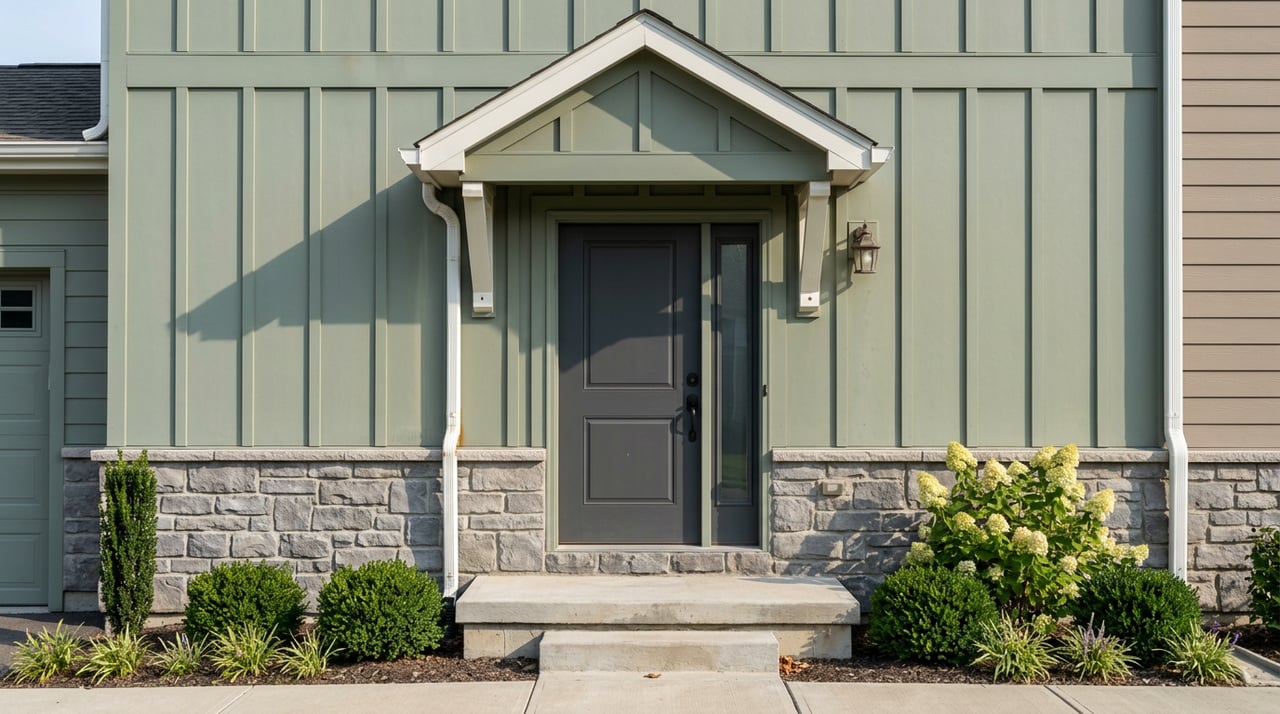
Picture a VA buyer scrolling listings in Gainesville and landing on two results that both come up under the name Somerset. Both are attached homes. Both have the brick-and-siding look that defines this stretch of Prince William County. Both list at similar square footage and similar price. One of them will close on a standard 30-day VA timeline. The buyer usually has no idea which is which until a lender asks a question nobody warned them about: is this unit legally titled as a condominium?
This is not a hypothetical mix-up. Gainesville has a community called Somerset Crossing, managed as a homeowners association with separate quarterly dues for townhouses and single-family homes. It also has a separate development called Somerset Condominiums, built in 2013 near Virginia Gateway, where the same attached, townhome-style units are recorded on the MLS as condo buildings and sold under condominium classification. Same name fragment, same general architecture, two different legal structures. A buyer skimming listings by neighborhood name has no reason to know the difference. A VA underwriter cares about nothing else.
VA loan approval for attached housing splits into two entirely different paths depending on how the property is titled. According to Veterans United, if a townhome is fee simple, meaning the owner holds title to both the structure and the land underneath it, the VA treats it like a detached single-family home. The appraisal and title work follow the normal single-unit process.
If that same-looking townhome sits inside a condominium regime, even one that never uses the word "condo" in its marketing, the rules change completely. According to VA Loan Network, VA condo approval happens at the project level, not the unit level. One building, one HOA or condo association, one master insurance policy, one set of governing documents, and the VA either accepts the whole project or it doesn't. When the project is accepted, every unit inside it is eligible for VA financing. When it isn't, no individual unit can close with a VA loan until a lender pushes the entire project through review, a process that can pull HOA bylaws, budgets, insurance certificates, and litigation history into a single package the VA has to sign off on before your loan can move forward.
The problem is that a townhome's legal classification is not something you can eyeball from the street or the listing photos. A buyer has to confirm it through title work and the property's recorded plat, and the surest way to check ahead of time is the VA's own condo report lookup tool, which shows whether a specific project has already cleared review.
If a Gainesville building isn't already on the VA's accepted list, the fastest realistic outcome is a four to six week project review, assuming the HOA responds promptly and hands over complete documents. If the HOA is slow, or the paperwork is incomplete, that window stretches further. None of this touches the individual buyer's file. It's a separate track that has to clear before your loan can even be finalized against a specific unit.
That timeline matters more in Gainesville than it might elsewhere in Northern Virginia. The trailing 12-month median sale price here runs around $735,000, up roughly 6% year over year, and this is a market where homes generally go under contract within a few weeks of listing. A rate lock built around that pace has very little slack for an unplanned six-week condo review. Extend a rate lock past its original window and a buyer is often looking at extension fees or a rate that no longer matches what they budgeted for.
Here's the practical difference in plain terms:
| Fee simple townhome | Condo-titled townhome | |
|---|---|---|
| VA approval level | Individual unit, treated like a detached home | Entire project must be VA-accepted first |
| Typical added timeline if unapproved | None | 4 to 6 weeks for first-time review |
| Who has to respond | Buyer, lender, appraiser | Buyer, lender, appraiser, plus the HOA or condo board |
Even once the title classification is settled, VA buyers in Gainesville run into a second requirement that surprises people who've bought with a VA loan somewhere else first. According to VA Loan Network, Virginia is one of the states where a wood-destroying insect inspection is required on essentially every VA purchase, not just when an appraiser happens to spot evidence of a problem. According to Rocket Mortgage, the report follows a standard format, usually the NPMA-33, and it stays valid for 90 days, which matters if your closing slips for any reason, condo review included.
According to VA Loan Network, since a June 2022 rule change, either the buyer or the seller can pay for this inspection, so it's a negotiable line item rather than an automatic seller cost the way it used to be. The inspection is one more reason to schedule it early rather than treating it as a formality that happens on its own timeline.
None of this is a reason to avoid Gainesville's attached-home inventory. It's a reason to ask two specific questions before a contract is signed, not after.
A buyer who does this before writing an offer is negotiating from a position of knowing exactly what they're asking a seller to accommodate. A buyer who finds out mid-contract is negotiating from behind, often while a rate lock clock is running.
Does every townhome in Gainesville require VA condo project approval? No. Many Gainesville townhomes are fee simple, meaning the buyer owns the land under the unit, and those close like a standard single-family VA purchase. The classification depends on how the specific property is titled, not on how it looks or what it's called in marketing materials.
How can I check if a specific building is already VA-approved before I make an offer? The VA maintains a public condo report search that shows whether a project has been accepted, accepted with conditions, or never submitted. Your lender can also confirm status directly and start a project review sooner if the building isn't yet listed.
Is the termite inspection required even if the home looks brand new? Yes. Virginia's statewide requirement means newer construction in Gainesville still typically needs the NPMA-33 report as part of a VA purchase.
If you're weighing a Gainesville townhome and want someone to walk the title and financing details with you before you write an offer, not after, Krissy Cruse can help you sort out which buildings are fee simple, which ones need a project review, and how to build a realistic timeline around either answer. Schedule a free consultation and get the specifics before the clock starts running.
This article is general information, not legal, tax or financial advice. Consult a qualified professional about your situation.
Stay up to date on the latest real estate trends.


I am committed to guiding you every step of the way—whether you're buying a home, selling a property, or securing a mortgage. Whatever your needs, I've got you covered.

Krissy Cruse
43777 CENTRAL STATION DR STE 390 ASHBURN VA 20147